
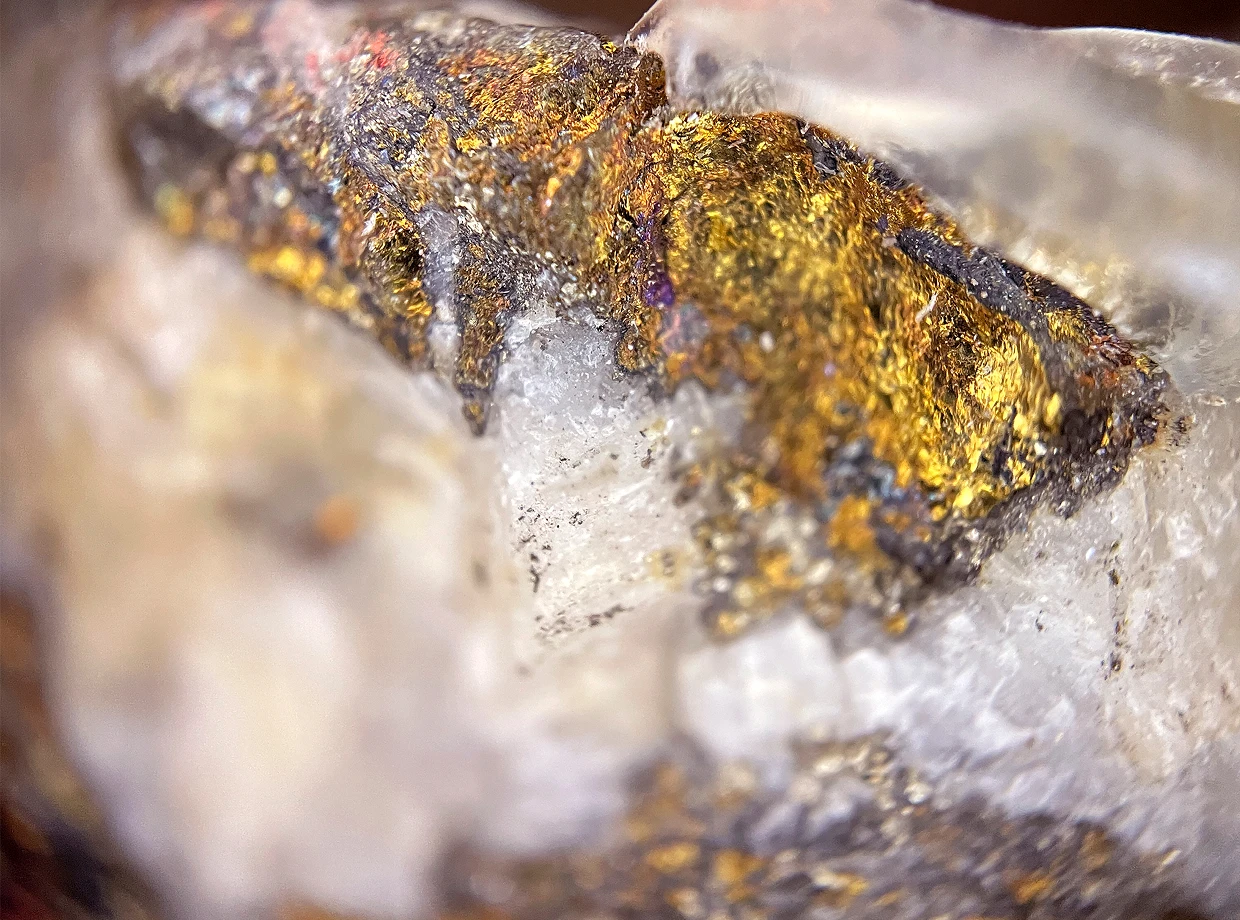
Gold Recovery
Activated carbon proves to be up to the challenge of the removal of polycyclic aromatic hydrocarbons PAH’s) in edible oils. Activated Carbon is widely used in the purification of edible oils from a variety of raw materials, including palm, olive, coconut and rape seed sources. One reason for the use of activated carbon is principally.
Flue gas Mercury
Activated carbon can be used in corrosion prevention to help protect systems and piping from corrosive chemical species. Often these chemicals are small, inorganic in nature and as such can be problematic for physical adsorption by activated carbon. This is done by using impregnated grades to capture, treat and retain harmful species on the surface of the activated carbon through chemisorption.


Food beverages
Activated carbon proves to be up to the challenge of the removal of polycyclic aromatic hydrocarbons PAH’s) in edible oils. Activated Carbon is widely used in the purification of edible oils from a variety of raw materials, including palm, olive, coconut and rape seed sources. One reason for the use of activated carbon is principally.
Air Gas Treatments
Activated carbon can be used in corrosion prevention to help protect systems and piping from corrosive chemical species. Often these chemicals are small, inorganic in nature and as such can be problematic for physical adsorption by activated carbon. This is done by using impregnated grades to capture, treat and retain harmful species on the surface of the activated carbon through chemisorption.
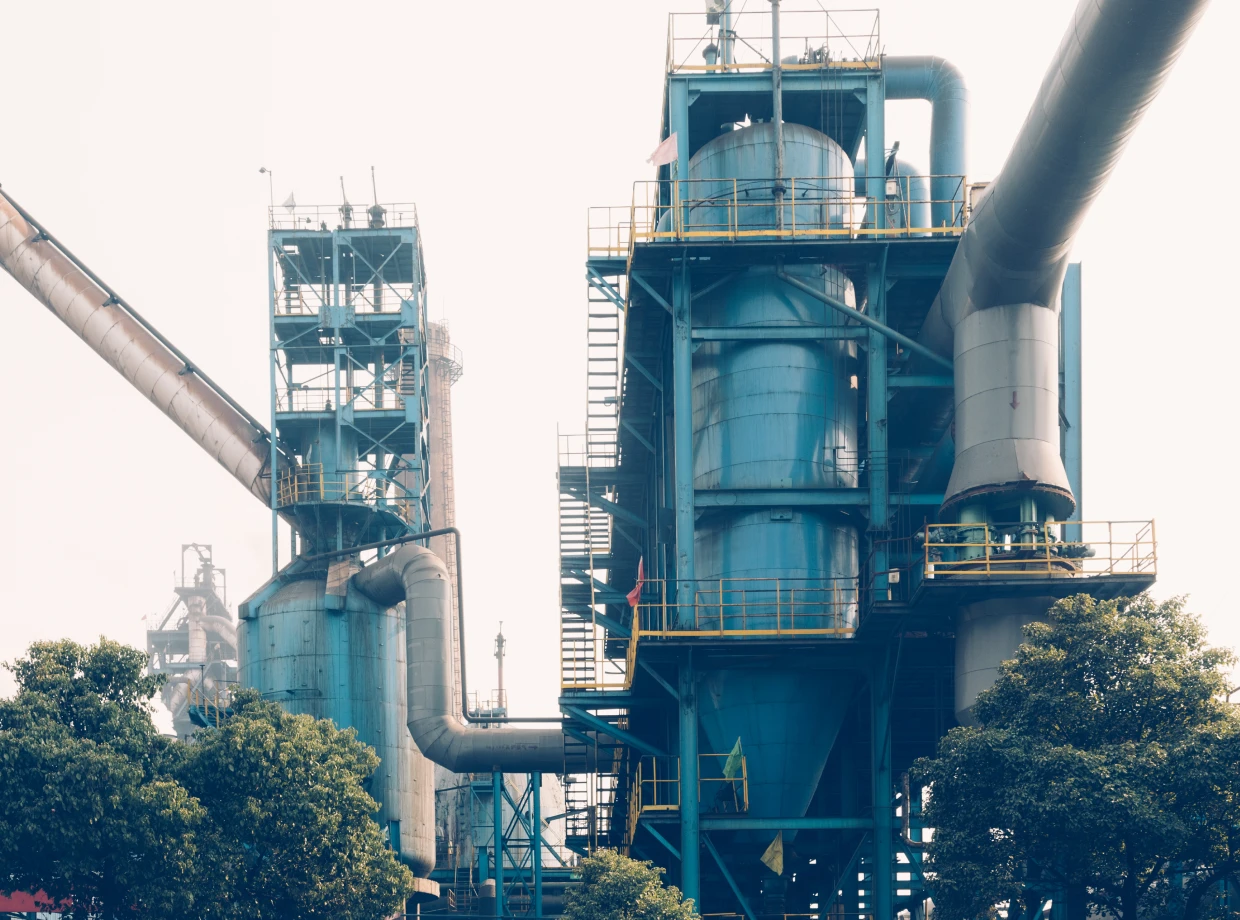
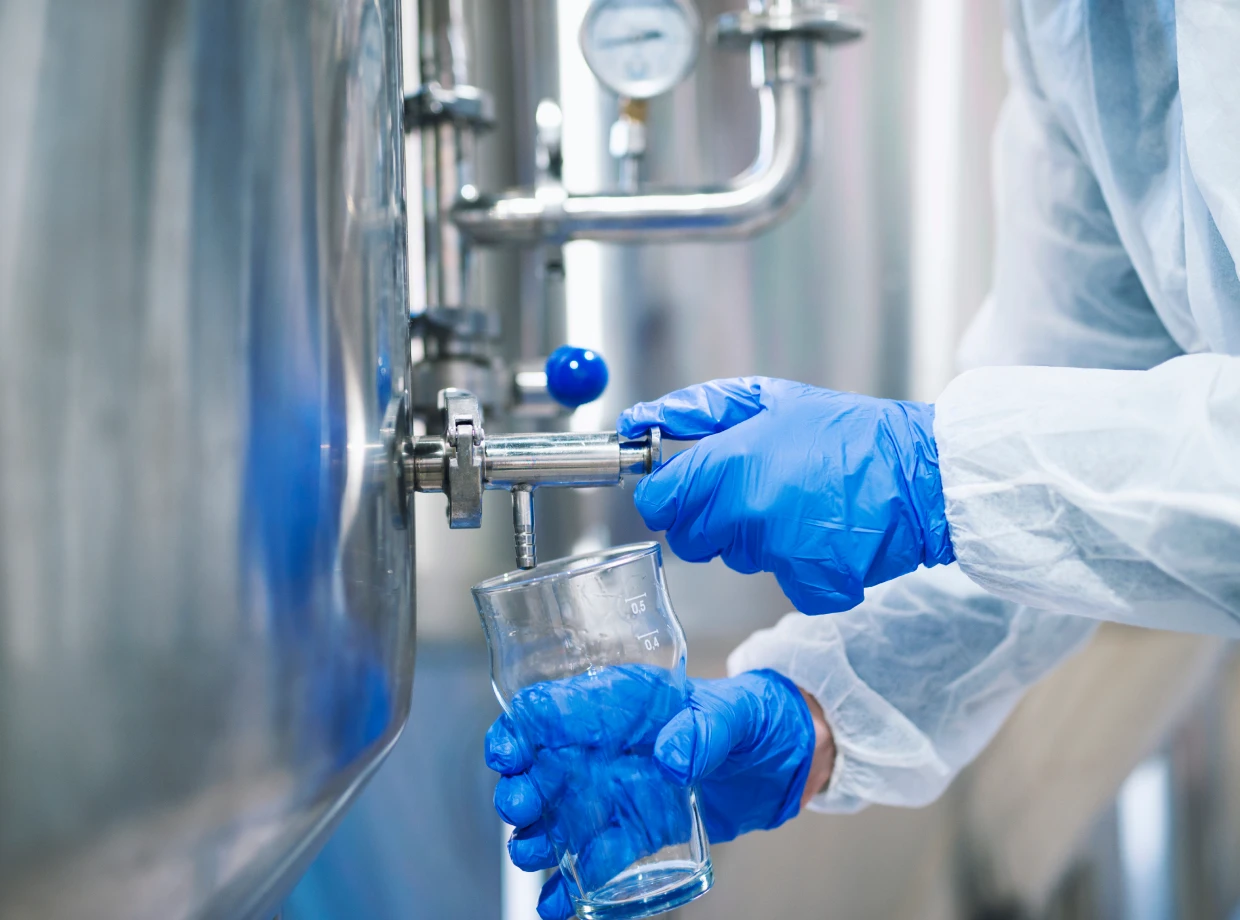
Water Treatment
Activated carbon proves to be up to the challenge of the removal of polycyclic aromatic hydrocarbons PAH’s) in edible oils. Activated Carbon is widely used in the purification of edible oils from a variety of raw materials, including palm, olive, coconut and rape seed sources. One reason for the use of activated carbon is principally.
Pharmaceutical Medical
Activated carbon can be used in corrosion prevention to help protect systems and piping from corrosive chemical species. Often these chemicals are small, inorganic in nature and as such can be problematic for physical adsorption by activated carbon. This is done by using impregnated grades to capture, treat and retain harmful species on the surface of the activated carbon through chemisorption.